World
EU awards its top human-rights prize to ICC amid U.S. sanctions
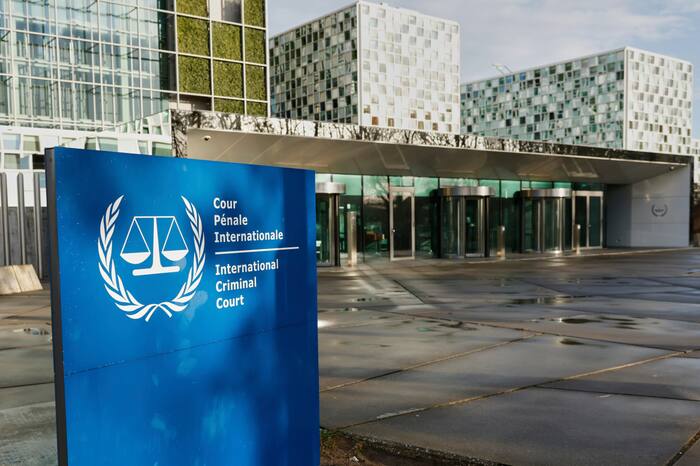
The European Union awarded its Sakharov Prize to the International Criminal Court and its staff, days after the Trump administration imposed sanctions intended to disrupt the tribunal’s operations. The sanctions restrict access to U.S. financial services, technology companies and dollars, with a six-month wind-down period. EU leaders have urged Washington to reverse course and are considering measures, including a blocking statute, to protect the court and European companies. Diplomacy remains possible, but the award underscores the widening institutional dispute.
Editorial summary · Publisher article
What matters
- The ICC prosecutes alleged war crimes, crimes against humanity, genocide and aggression.
- EU leaders say the six-month delay creates room for diplomacy.
- A possible blocking statute could shield European companies from complying with U.S. sanctions.
Why it matters
The dispute tests whether European institutions can preserve support for an international court while avoiding direct escalation with Washington. The EU’s response remains under development rather than a completed countermeasure.
Context & caveats
- The EU’s possible countermeasures have not yet been adopted.
- The report includes official positions from both sides but does not independently assess the sanctions’ eventual operational effect.
Why this made the edition
Well-supported report of an important institutional conflict involving the ICC, U.S. sanctions and possible EU countermeasures.
Source material