Deals & regulation
Kalshi faces mounting legal resistance from states over prediction-market gambling rules
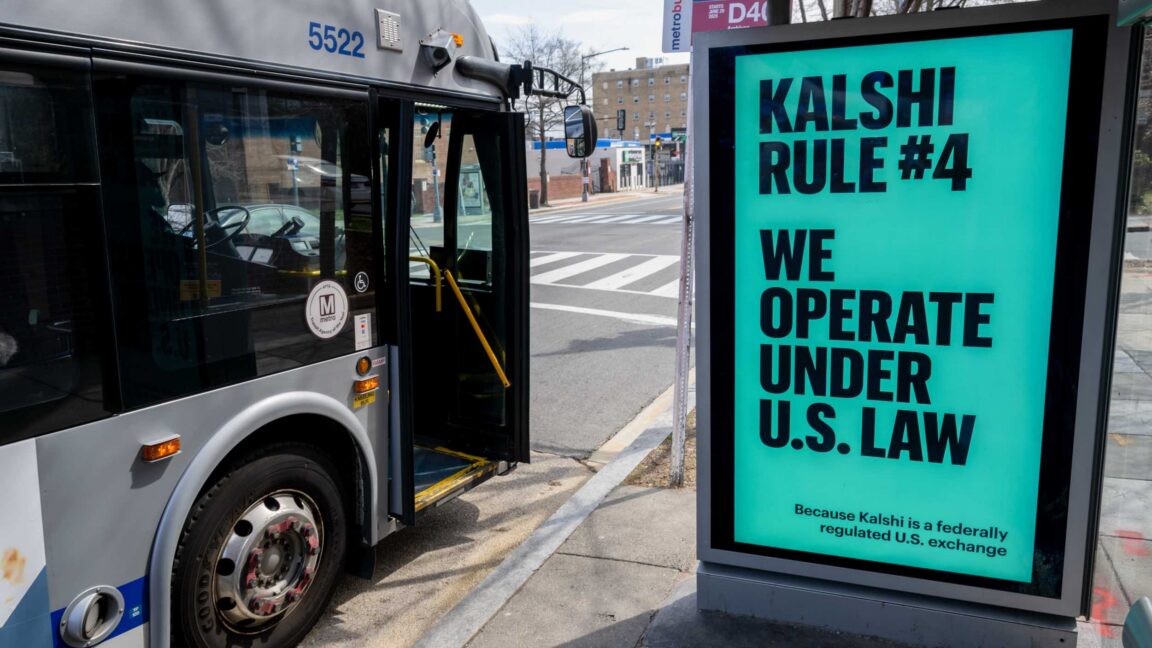
Two federal appeals courts rejected Kalshi’s attempts to stop gambling laws in Connecticut, New York, and Nevada from applying to its prediction market. Arkansas separately sued, alleging Kalshi offered unlawful gambling to residents as young as 18 without required licenses, taxes, or safeguards. Kalshi argues its contracts are financial swaps regulated by the CFTC, while Arkansas says the platform’s substance matters more than its terminology. The cases could clarify the boundary between prediction markets and state gambling regulation.
Editorial summary · Publisher article
What matters
- Appeals courts rejected Kalshi’s efforts involving three states.
- Arkansas alleges Kalshi violated age, licensing, tax, and oversight requirements.
- Kalshi maintains that its products are swaps rather than gambling.
- The broader dispute concerns state authority versus federal commodities regulation.
Context & caveats
- The supplied account presents Arkansas officials’ allegations; it does not include Kalshi’s response or a final ruling on the state lawsuit.
Why this made the edition
Multiple federal appeals courts rejected Kalshi’s efforts to block state gambling laws, while Arkansas filed a separate enforcement lawsuit. The legal conflict could determine how prediction markets are regulated nationwide.
Source material