Policy
UK plans wider facial recognition use for immigration enforcement in public places
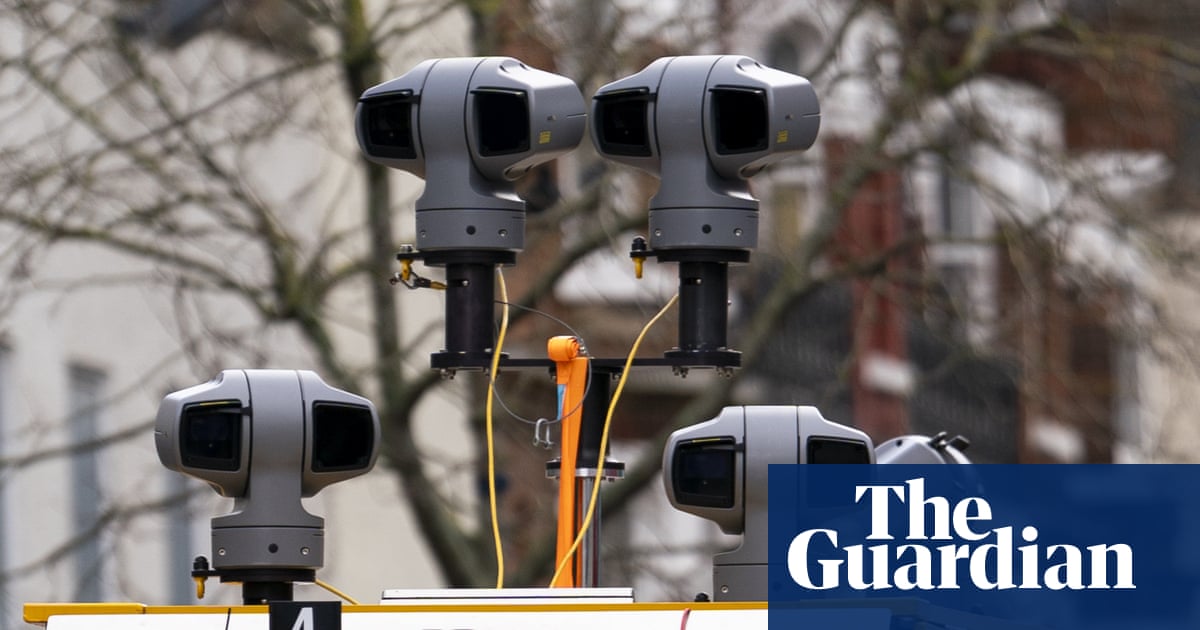
The UK Home Office is moving toward using live facial recognition at transport hubs and selected public events to identify people subject to immigration enforcement, including some civil violations such as overstaying a visa. Newly published guidance and a data protection assessment expand the possible deployments beyond earlier trials. Critics warn of bias, secrecy and weak oversight, while the relevant surveillance commissioner said the planned use falls outside his remit. The Home Office says further trials are being considered.
Editorial summary · Publisher article
What matters
- Earlier trials focused on people arriving from Ireland who were subject to deportation orders or warrants.
- The policy excludes people under 18 from watchlists.
- The Home Office has doubled the enforcement budget and plans a 60% workforce increase.
Context & caveats
- The documents describe a formal delivery phase and possible deployments, not a fully specified nationwide rollout.
Why this made the edition
Detailed reporting based on newly published Home Office documents describes a major proposed expansion of facial recognition into civil immigration enforcement.
Source material