Technology
Netflix’s performance agents pair profiling, human review and a shared pattern catalog
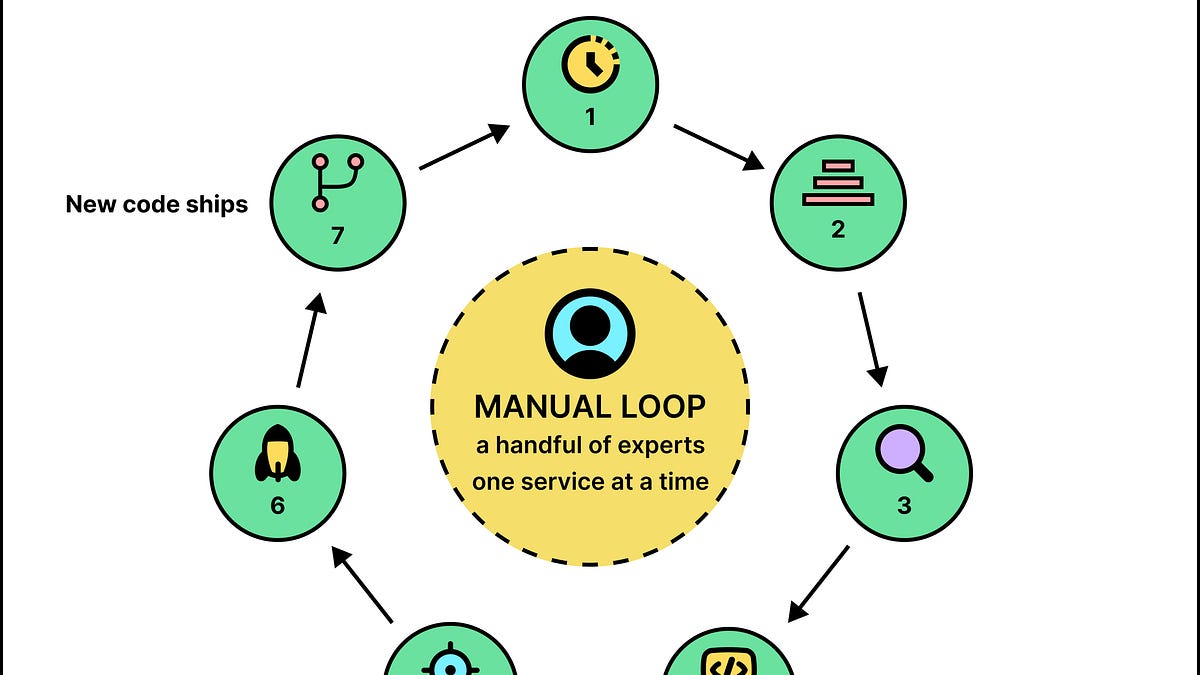
A ByteByteGo analysis describes Netflix’s reported use of AI agents to find performance problems in production code and earlier in the development cycle. Examples include replacing quadratic map construction, a hot-path regular expression and repeated metric lookups, with reported CPU or latency improvements. The workflow requires tests, canary deployments, telemetry and human approval before changes ship. Netflix also stores reusable anti-patterns in a reviewable Git repository. The account is based on publicly shared details and may contain inaccuracies.
Editorial summary · Publisher article
What matters
- The agent analyzes profiler outputs while scoping attention to application-owned packages.
- Reported findings included an 8.8% CPU bottleneck, a regex consuming 46% of CPU and costly object allocation.
- Tests and canary comparisons precede human-reviewed pull requests.
- A Markdown-based Pattern Catalog lets findings inform production, CI and local development workflows.
From profiling data to candidate fixes
The described system feeds call-stack and resource data from common profilers to an LLM, then constrains analysis to application code rather than operating-system or framework noise. Its value comes from matching known anti-patterns to runtime evidence, not asking the model to infer an entire system from scratch.
Verification remains outside the model
Netflix’s reported safeguards run unit, integration and contract tests, compare a canary against a baseline, and collect CPU, latency, error and allocation metrics. A human engineer makes the final deployment decision, limiting the consequences of an incorrect optimization suggestion.
Context & caveats
- The source is an analysis based on publicly shared material and includes an explicit disclaimer that some details may be inaccurate.
- The reported performance improvements are examples from the analysis, not independently audited results.
Why this made the edition
The analysis supplies a detailed account of Netflix’s reported profiling workflow, concrete performance examples, verification controls and a reusable pattern catalog. It clearly presents the material as based on public sources and includes limitations of production automation.
Source material