Deals & regulation
CPS prosecutor cited an imaginary case after an AI-assisted internet search
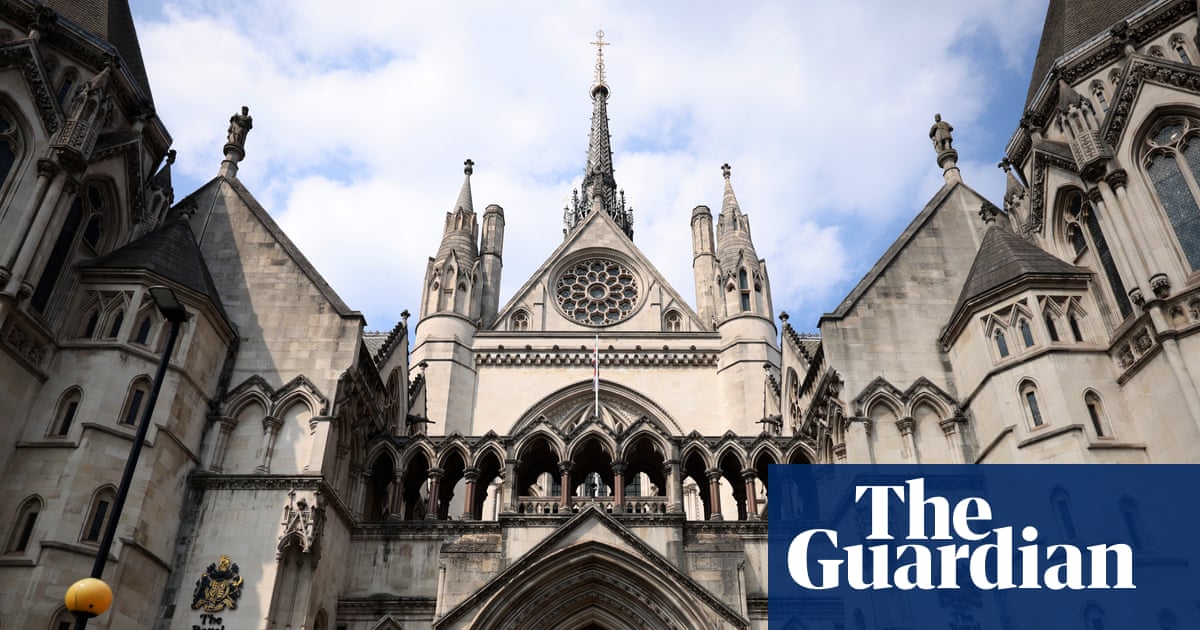
A senior Crown Prosecution Service prosecutor cited a nonexistent legal precedent while arguing that an 11-year-old should face prosecution, according to high court documents. She later said she meant a real decision from 15 years earlier, and the court found the error did not change the outcome of the challenge. The CPS said its policy requires human accuracy checks and that it reviewed the incident. Lawyers and researchers warn that fabricated authorities can damage trust and create serious risks when used by state institutions.
Editorial summary · Publisher article
What matters
- The fictional citation was used in arguments supporting prosecution of a child accused of raping his younger sister.
- The CPS said the error arose during internet-based legal research and that an AI-generated summary is understood to have supplied the false details.
- A UK tracker now lists 101 confirmed, suspected or disputed AI-related legal errors and false citations.
- The high court has previously warned that misuse of AI could lead to sanctions, including contempt proceedings.
Institutional safeguards
The CPS says AI cannot be used to make legal decisions and that legal authorities must be checked against trusted sources. The report says the service conducted a rapid review to determine whether other cases were affected.
Context & caveats
- The report says the court found the false citation did not affect the outcome of this particular challenge; the child’s trial was still pending.
Why this made the edition
The report documents a concrete AI-related failure by a public prosecution service, gives the legal context, official response, expert assessment and evidence of a wider pattern. The incident has direct implications for institutional safeguards and public trust in legal systems.
Source material