Policy
Western Australian police facial-recognition trial scanned more than one million faces
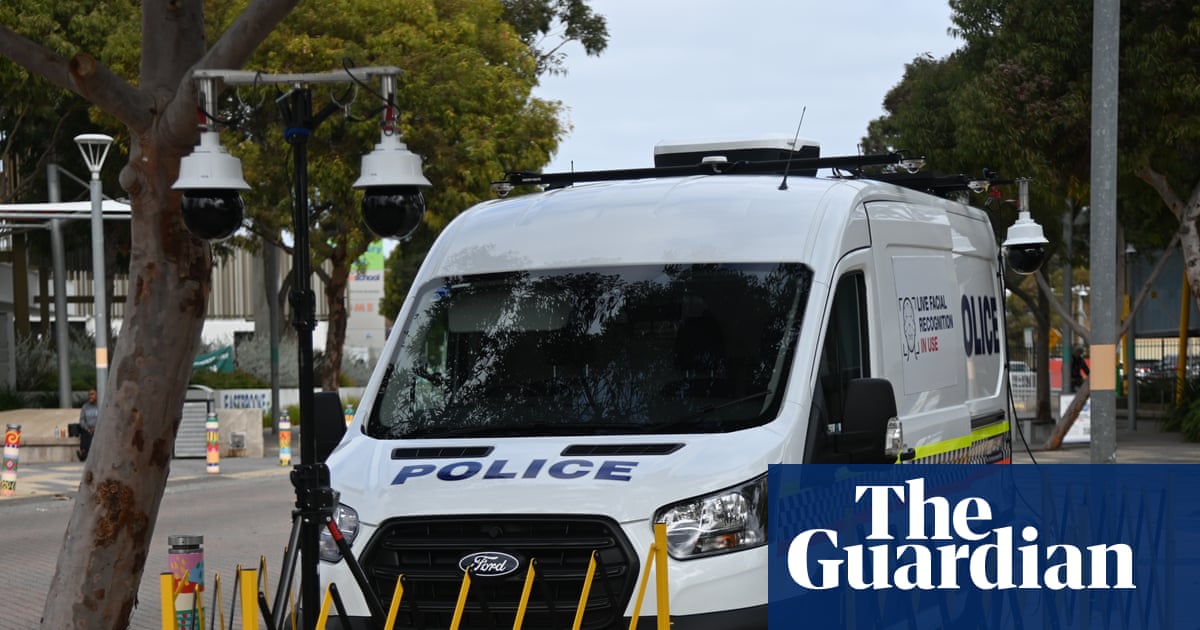
A five-month Western Australian police trial scanned 1,380,882 faces across 100 deployments and produced 122 arrests, according to police. It also generated nine incorrect alerts, prompting civil-liberties groups to challenge the force's framing of the error rate and question whether mass biometric surveillance is proportionate without reasonable suspicion. Police say non-matches were pixelated and immediately deleted; the vans have been withdrawn pending an internal review of safeguards and community impacts.
Editorial summary · Publisher article
What matters
- The trial operated across 43 regional and metropolitan locations.
- Police reported 122 arrests, 146 interactions with registered sex offenders, and 10 welfare-check locations.
- Nine incorrect alerts were recorded, though advocates said the meaningful error rate cannot be assessed until arrest outcomes are known.
- The privacy watchdog was not involved in implementing the trial, and police are now reviewing safeguards and compliance.
The dispute over accuracy and proportionality
Police described the nine false alerts as a very low rate and said officers handled them as they would public reports. Civil-liberties advocates argued that each false match can lead to questioning or investigation and that the trial's scale raises unresolved privacy, bias, and accountability concerns.
Context & caveats
- Police say images of people not on the alert list were pixelated in real time and deleted immediately, but the report says the governance framework and safeguards remain opaque.
Why this made the edition
The report provides trial-wide figures, police procedures, false-alert data, civil-liberties objections, privacy concerns, and the status of the evaluation, supporting a substantive governance and technology story.
Source material