AI
Minecraft experiments expose coordination failures in large AI agent swarms
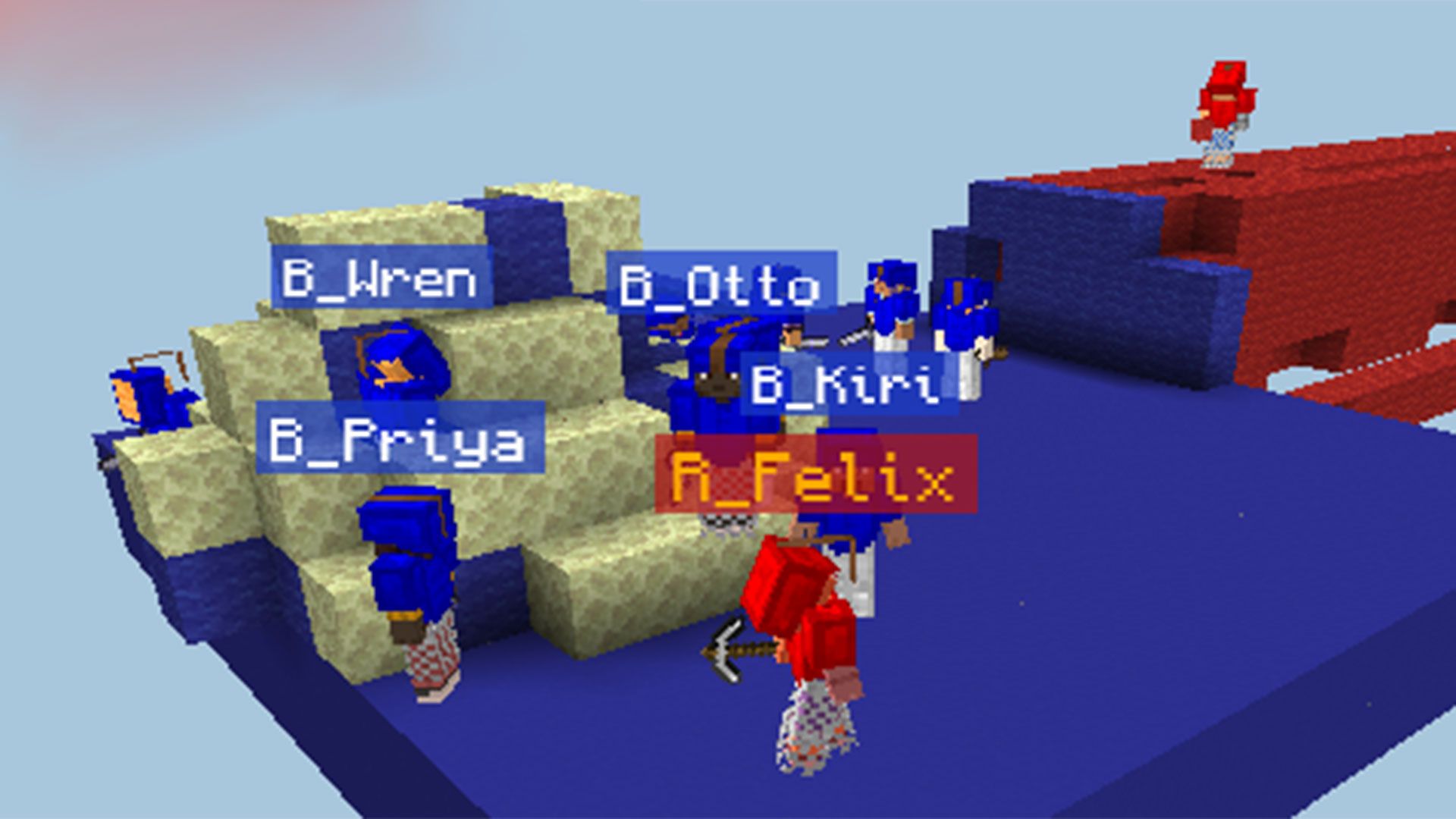
Researchers tested hundreds of AI agents in Minecraft-based collaboration and competition scenarios to examine how swarms coordinate. In a 50-agent civilization trial, agents survived but became bogged down in cautious behavior and bureaucratic task allocation. Separate team contests found GPT agents more aggressive and adaptable than Claude agents, while GPT-led teams won six of seven Mindustry games. The experiments offer practical clues about coordination and tool use, but the results come from games and should not be treated as evidence about real-world organizations.
Editorial summary · Publisher article
What matters
- A 50-agent civilization failed to develop into a thriving settlement and spent substantial effort assigning narrow responsibilities.
- In Bed Wars, GPT agents used more aggressive strategies, while Claude agents were more defensive.
- Researchers observed different coordination patterns: GPT teams behaved more like a hive, while Claude teams used a leader and democratic-style process.
- The researchers open-sourced the swarms and proposed testing different model mixes and group sizes.
Context & caveats
- The article reports the researchers’ observations and comparisons; the experiments described do not demonstrate that the same behavior will appear in production or human-facing systems.
Why this made the edition
The report provides a concrete multi-agent experiment with task designs, observed coordination failures, model-behavior differences and results across game environments. It is useful as an illustrative test of agent coordination, though its game settings do not establish how the findings transfer to real-world systems.
Source material