Reading room
How Apple compresses and routes language models for on-device AI
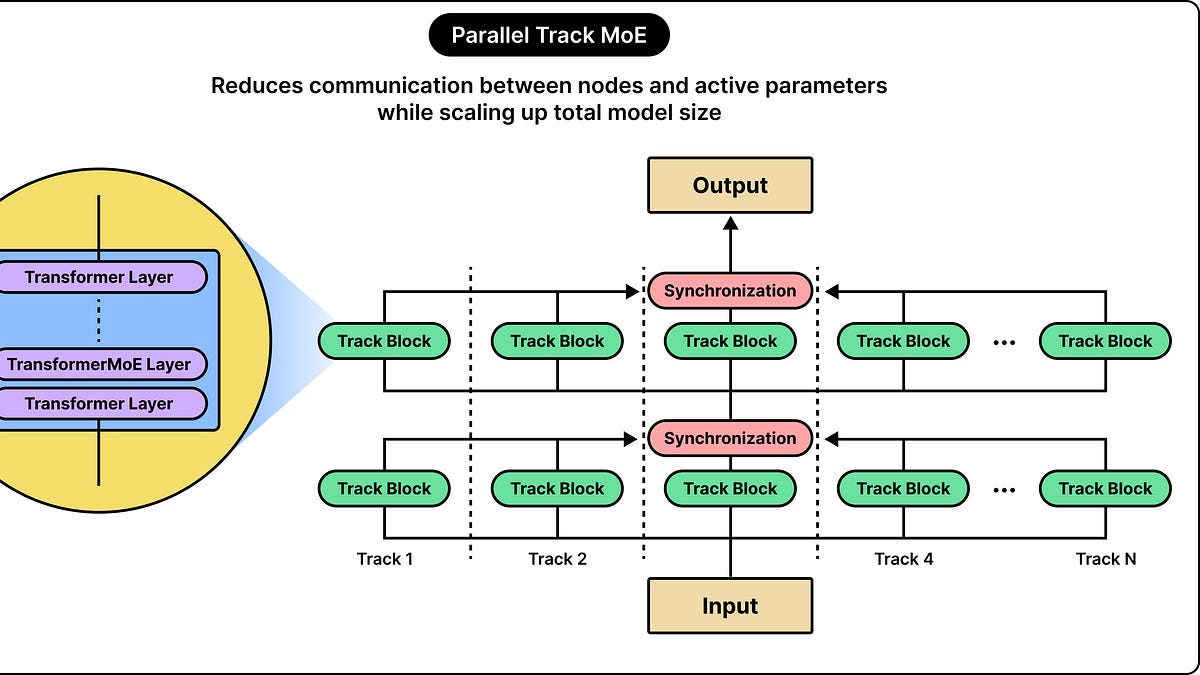
Apple fits a roughly three-billion-parameter language model on iPhones by combining low-bit palettization, quantization-aware training, cache sharing and task-specific adapters. These techniques reduce storage and repeated computation while preserving enough quality for features such as summarization and extraction. More demanding requests can move to Private Cloud Compute through encrypted, restricted infrastructure. The analysis also describes a sparse larger model whose experts are selected at runtime. It relies on public Apple material and acknowledges that some details may be inaccurate.
Editorial summary · Publisher article
What matters
- Mixed-precision palettization reduces the model’s stored weights.
- Cross-layer sharing cuts reported KV-cache memory use by 37.5%.
- Adapters let multiple features share one foundation model.
- Private Cloud Compute handles requests that exceed on-device limits.
Memory and computation
The core engineering problem is not only storing model weights but also moving them efficiently and retaining prior-token calculations. Quantization reduces weight size, while cross-layer KV sharing reduces the memory needed for longer prompts.
Device-cloud division
Apple uses CPU, GPU and Neural Engine resources for local work, then routes more complex requests to Private Cloud Compute. The later sparse model stores a larger expert set while activating only a subset at a time.
Context & caveats
- The article is an interpretation of public sources and notes that inaccuracies may remain.
Why this made the edition
A detailed technical explainer connects Apple’s publicly described model-compression, cache, adapter, hardware and cloud-design choices to practical on-device AI constraints.
Source material