Policy
AI-generated election lies are spreading faster than platforms can contain them
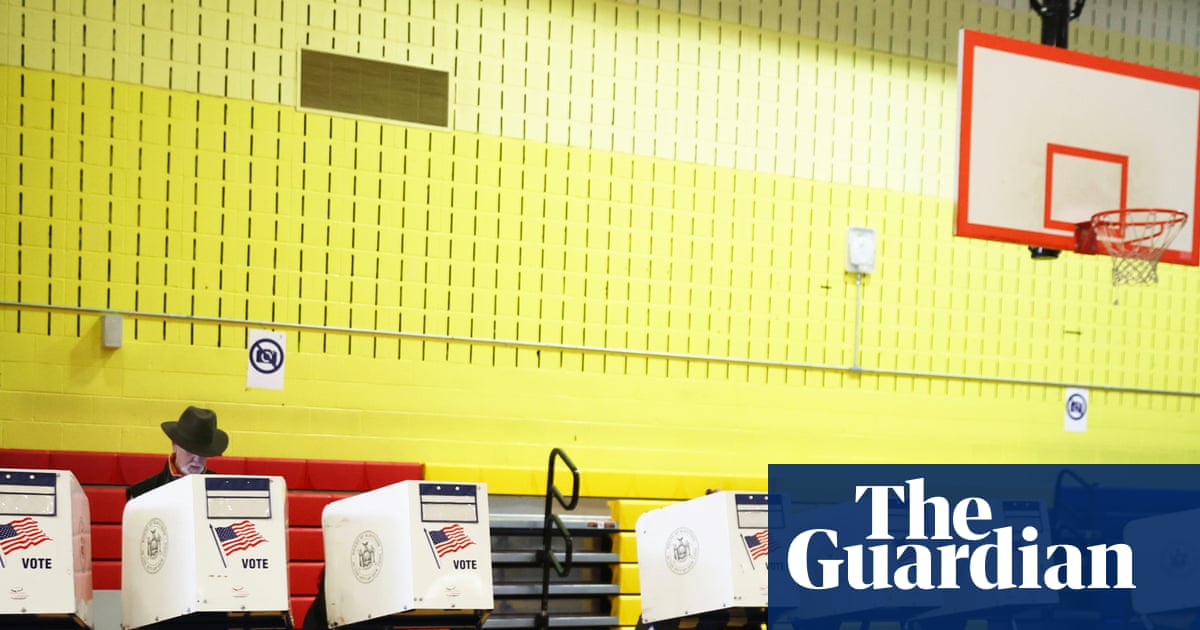
Experts and campaign officials say AI-assisted election disinformation is spreading through US social-media feeds as platforms reduce human trust-and-safety staffing and rely more heavily on automated moderation. The report follows false claims about candidates in Texas and Pennsylvania, showing how fabrications can mutate across languages and outrun corrections. Platform rules generally target voting logistics, threats and limited forms of synthetic media, leaving other political lies eligible to circulate. The cases raise questions about distribution systems, enforcement capacity and government responsibility for amplification.
Editorial summary · Publisher article
What matters
- A false story about Texas candidate James Talarico changed substantially as it moved into Spanish-language media.
- A DHS statement amplified a false claim about a Pennsylvania campaign worker.
- Experts say slightly altered posts can evade systems focused on identifying individual pieces of content.
Context & caveats
- The article relies partly on expert assessments and campaign accounts; Meta and X did not respond to requests for comment.
Why this made the edition
Detailed reporting documents concrete election-disinformation cases, platform-policy changes, language gaps and the role of government amplification, while preserving expert attribution.
Source material