Science & health
Study finds Gulf marine life remains depleted 16 years after Deepwater Horizon spill
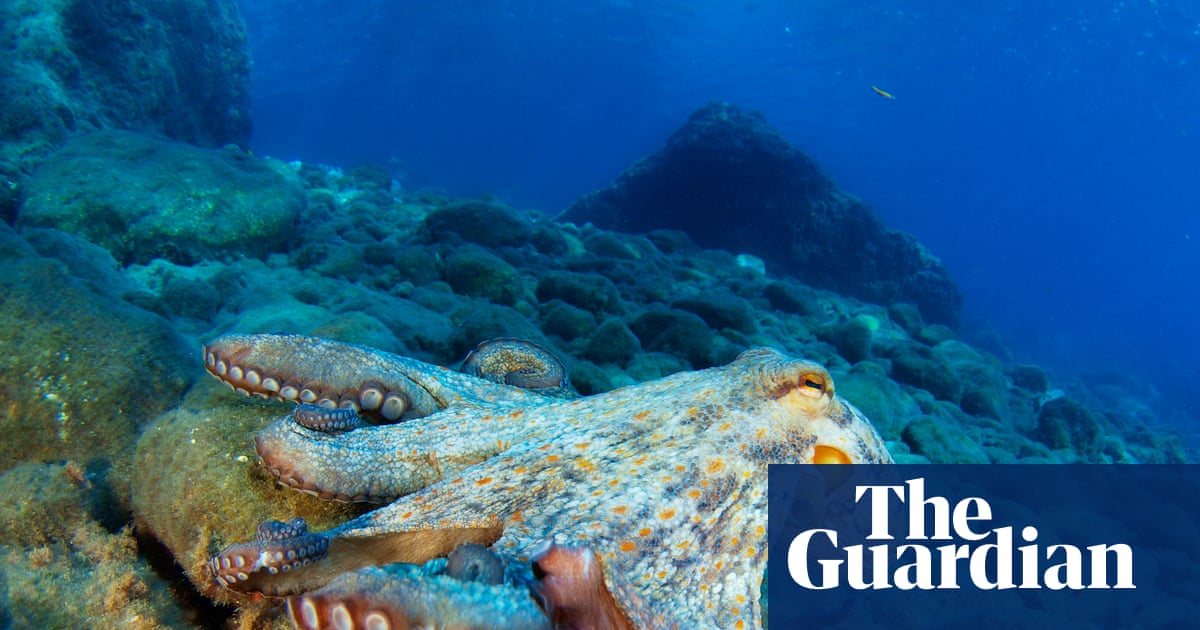
A new study finds that marine populations in the Gulf of Mexico fell sharply after the 2010 Deepwater Horizon spill and have not sustainably recovered. Between 2011 and 2015, fish abundance declined 63.5%, macrocrustaceans 62% and cephalopods 59.7%, while genetic diversity also fell in severely affected lanternfish species. Researchers used sonar, trawling and genetic analysis and found the decline was not explained by measured natural conditions. The study also warns that chemical dispersants may have increased deep-water exposure to toxic compounds.
Editorial summary · Publisher article
What matters
- Krill declined 72.8%, bristlemouths 69% and lanternfish 62.9% in the study’s findings.
- Researchers found elevated toxic compounds in deep-sea fish eggs and cephalopod tissues six years after the spill.
- BP said it had spent more than $69m on Gulf recovery and had made safety changes.
- The spill killed 11 people and led BP to agree to $18.7bn in penalties and damages.
Context & caveats
- The findings describe population and genetic effects associated with the spill; BP disputes that oil reached Mexican waters, and the report notes unresolved compensation issues there.
Why this made the edition
The report presents a substantial new study with methods, quantified ecological effects, potential mechanisms, expert interpretation and relevant company and compensation context.
Source material