Science & health
Kenya reports a third Ebola case as cuts weaken global outbreak response
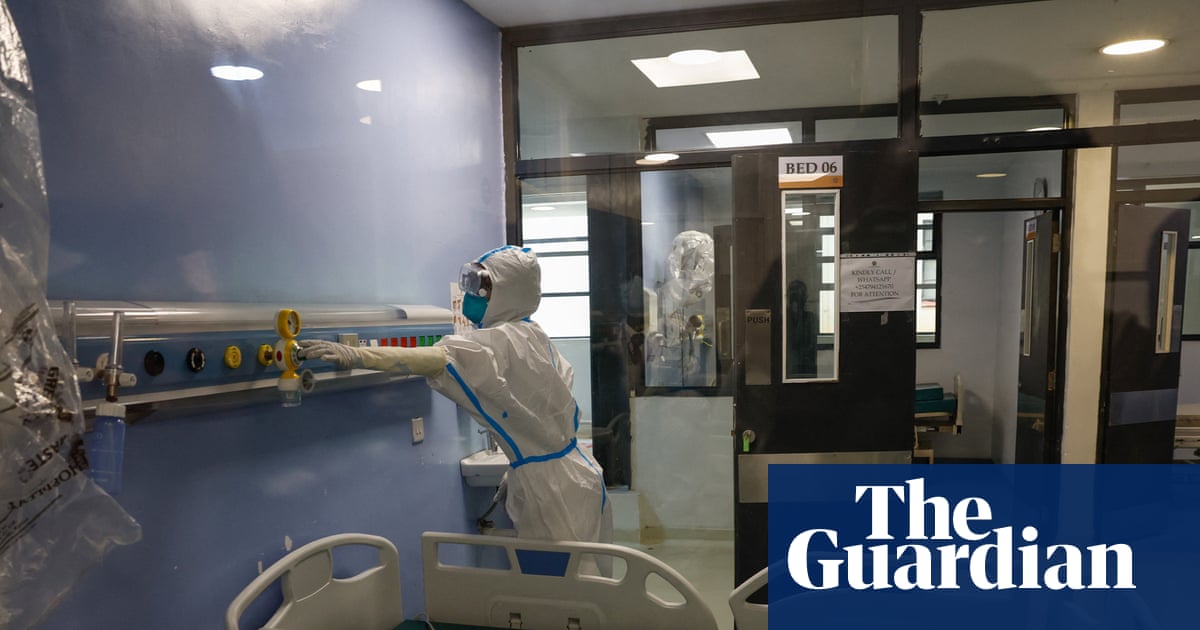
Kenya has reported a third case of Bundibugyo Ebola in its first known cluster, after a patient traveled from the Democratic Republic of the Congo through Uganda and died in Nairobi. The outbreak is testing contact tracing and quarantine while exposing tensions over a controversial US quarantine center and cuts to global health programs. Kenyan officials point to active tracing, but experts warn that reduced US support, the end of WHO collaboration and weaker local systems could delay detection and response.
Editorial summary · Publisher article
What matters
- About 108 people have been quarantined in Nairobi after the first patient’s death.
- Kenyan officials say contact tracing is working, while residents question how the initial patient traveled across borders.
- Experts say disease-monitoring, laboratory and clinical networks built for HIV response also support emergency outbreak control.
Why the US role matters
Experts argue that global health programs provide surveillance, clinical links, laboratory capacity and specimen transport that can be reused during outbreaks. The supplied reporting says cuts have reduced those capabilities and increased mistrust in Kenya.
Context & caveats
- The report attributes the assessment of weakened preparedness to interviewed experts and political critics; Kenya’s health ministry emphasizes successful tracing and quarantine.
- The supplied account does not provide a complete epidemiological assessment of the outbreak’s eventual trajectory.
Why this made the edition
The report provides case details, public-health context, expert perspectives and a clear account of how policy changes may affect outbreak detection and response. It also includes the Kenyan government’s evidence that contact tracing is functioning.
Source material