Deals & regulation
Electric-car battery supply chains linked to deforestation in Indonesia
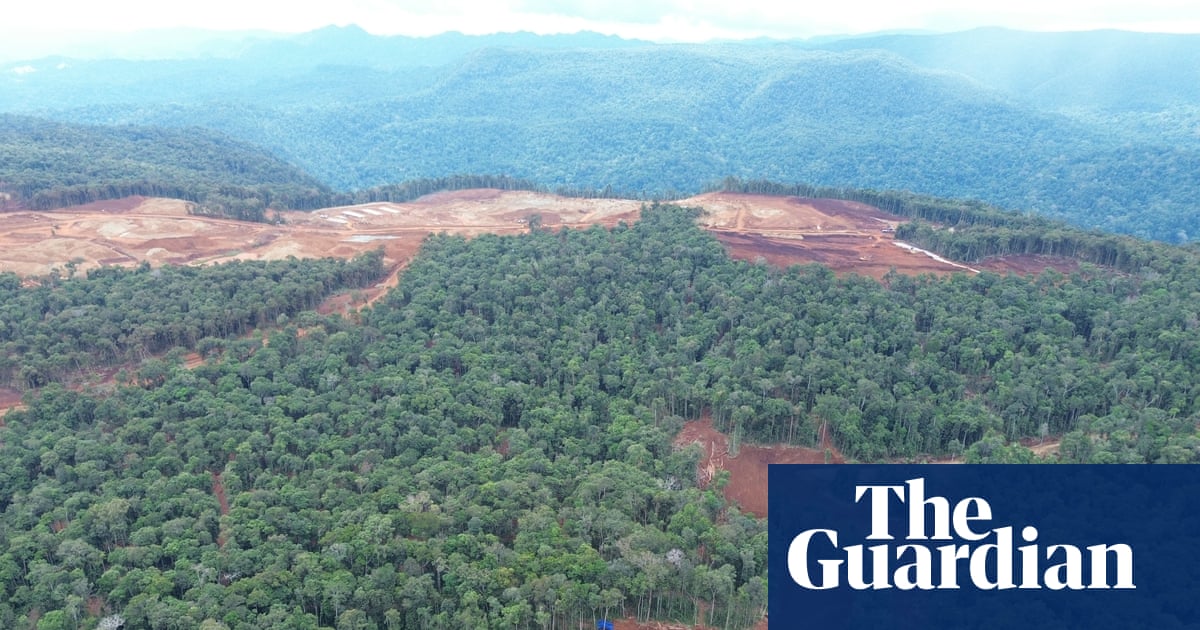
An investigation links nickel mines in Indonesia’s Sulawesi forests to processing routes serving battery manufacturers and, indirectly, major electric-car companies. Satellite analysis and trade records indicate extensive forest loss around concessions supplying Huayou facilities, while corporate disclosures connect Huayou and downstream partners to CATL, LG and automakers. The reporting does not establish that specific mined ore entered particular vehicles, and several companies dispute or would not disclose detailed sourcing, but it exposes the environmental costs hidden in critical-mineral supply chains.
Editorial summary · Publisher article
What matters
- The Cahaya and Hengjaya concessions are linked to deforestation in lands inhabited by the Tolaki people.
- Ore moved through Huayou’s Indonesian smelter and Chinese processing plants before reaching battery-industry suppliers.
- SCM received sanctions over forest clearing and delivered roughly 11 million tonnes of limonite ore in 2024.
- Automakers cited due diligence and supply-chain monitoring, but several declined to disclose audit results or did not respond.
Why the supply-chain link remains qualified
Trade data and corporate records trace routes from mines to processors and battery suppliers, but the available filings do not identify the exact volumes or timing needed to connect particular ore shipments to individual vehicle batteries.
The wider resource tradeoff
The investigation places the controversy in the context of rising nickel demand, weak safeguards in producing countries and evidence that forest-intensive mining can sharply increase the climate footprint of battery materials.
Context & caveats
- The investigation establishes supply-chain relationships and environmental risks, not that every vehicle from the named manufacturers contains nickel from the cited concessions.
Why this made the edition
The investigation provides a detailed supply-chain reconstruction, satellite and geospatial analysis, trade data, company filings, sanctions and responses from multiple automakers. It also distinguishes documented links from the unresolved inability to connect specific ore shipments directly to individual vehicle batteries.
Source material