AI
AI may expand mathematical knowledge while weakening the human conversation around discovery
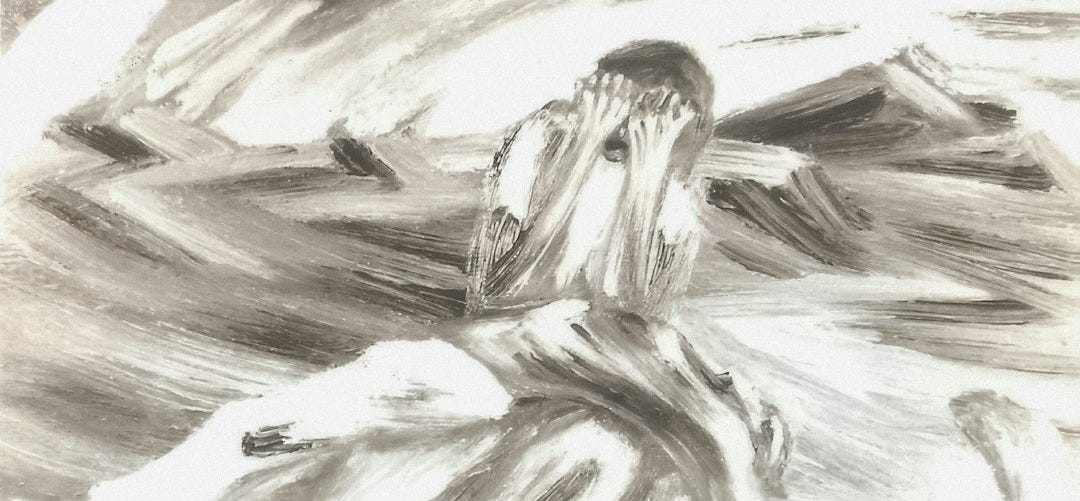
Derek Thompson’s interview with mathematician Steven Strogatz examines why rapid AI-generated mathematical proofs provoke grief as well as excitement. The argument is not that machines lack usefulness: AI could solve difficult problems, widen access to advanced reasoning, and support life-saving models even when humans cannot explain them. The concern is that knowledge without understanding may weaken the social, cumulative practice through which science gains meaning and generates new insight. The essay ultimately treats human teaching, interpretation, and connection as responsibilities that remain.
Editorial summary · Publisher article
What matters
- The essay frames science as both technical craft and a conversation among discoverers across generations.
- AI-generated proofs may produce valid knowledge whose reasoning is opaque even to experts.
- An example involving AI-assisted medical prediction illustrates the tradeoff between interpretability and potentially life-saving performance.
- The author argues that understanding matters because it enables people to build new theories from earlier discoveries.
- The proposed human role shifts toward interpreting, teaching, debating, and sharing meaning around machine-generated results.
Why mathematicians experience loss
Strogatz’s response is portrayed as more than professional insecurity. He sees mathematics as a long conversation in which each generation leaves problems and insights for the next. When AI rapidly closes many of those open questions, it may succeed at the craft of solving while interrupting the shared human quest that made the work meaningful.
Knowledge without understanding
The essay contrasts useful output with explanatory insight. AI may solve a conjecture or identify medical risk without revealing how its internal reasoning works. That opacity can still be acceptable when the result saves lives, but it may limit the ability to generalize discoveries, challenge assumptions, and grow a human body of theory.
A possible human role
The conclusion does not reject machine discovery. It imagines mathematicians and scientists preserving the interpretive half of their disciplines by translating alien reasoning into human insight, teaching proofs, arguing about meaning, and sustaining relationships through which knowledge is shared.
Context & caveats
- This is an essay and interview, not an independent technical verification of the reported AI proofs or the medical example.
- The article presents a philosophical interpretation of AI’s effects and does not establish that human scientific conversation will actually decline.
Why this made the edition
The essay provides a substantive interview-based argument about AI-generated mathematical knowledge, distinguishing demonstrated capability from unresolved questions about understanding, scientific culture, and human meaning.
Source material