AI
AI-designed proteases show how synthetic enzymes could target disease-linked proteins
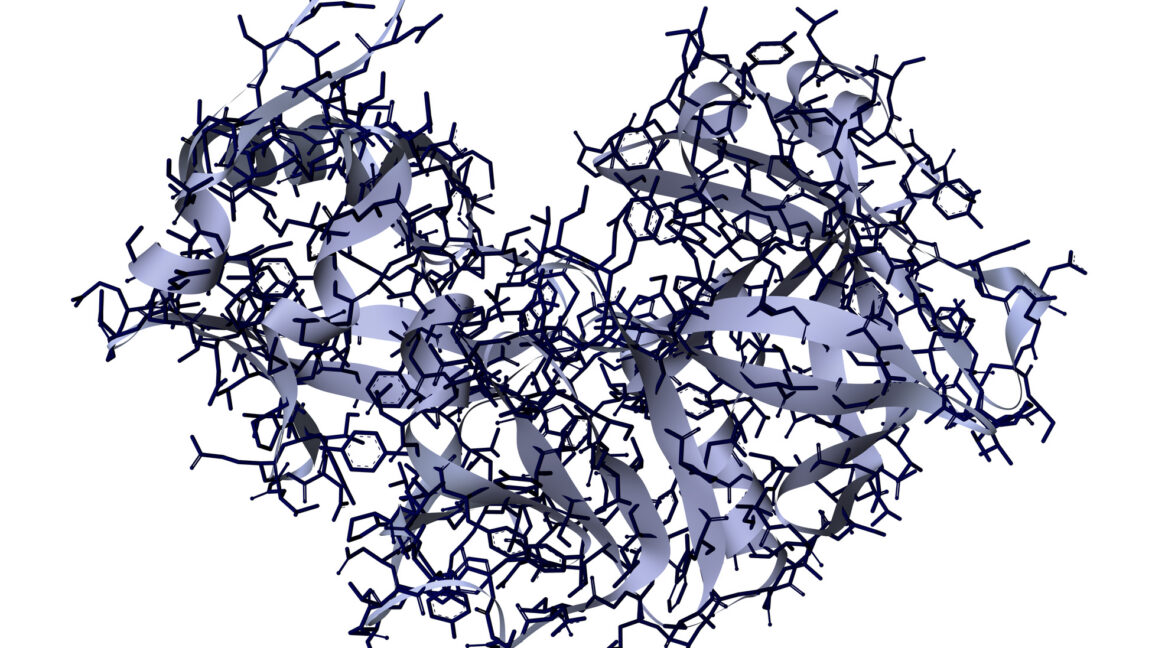
Researchers used AI protein-design tools to create proteases that cut selected protein sequences, including targets associated with Alzheimer’s disease and frontotemporal dementia. The systems successfully arranged catalytic amino acids and target-binding regions, but initial designs were less active than natural enzymes. Targeted mutations greatly improved activity, and some designs cut intended proteins in cells. Therapeutic use remains distant because delivery, intracellular targeting and immune reactions are unresolved.
Editorial summary · Publisher article
What matters
- RFdiffusion2 designed enzyme backbones around catalytic residues and target sequences, while ProteinMPNN filled in amino acids.
- Adding a water molecule as a design constraint raised zinc-protease success from 14 of 89 weak designs to 35 of 38 with some activity.
- The strongest optimized design accelerated cleavage by a factor of 109 while retaining target specificity.
- Researchers created zinc proteases aimed at proteins linked to neurological disorders and demonstrated cutting in cells.
Context & caveats
- The designs generally remain less active than their natural model enzymes, and the tools optimize structure more reliably than catalytic activity.
- Protein delivery and immune-response barriers would need to be solved before therapeutic development.
Why this made the edition
The report explains the underlying chemistry, AI design workflow, test results, optimization and therapeutic limitations with substantial quantitative evidence.
Source material