AI
AI could amplify biological-weapons risks, but major practical barriers remain
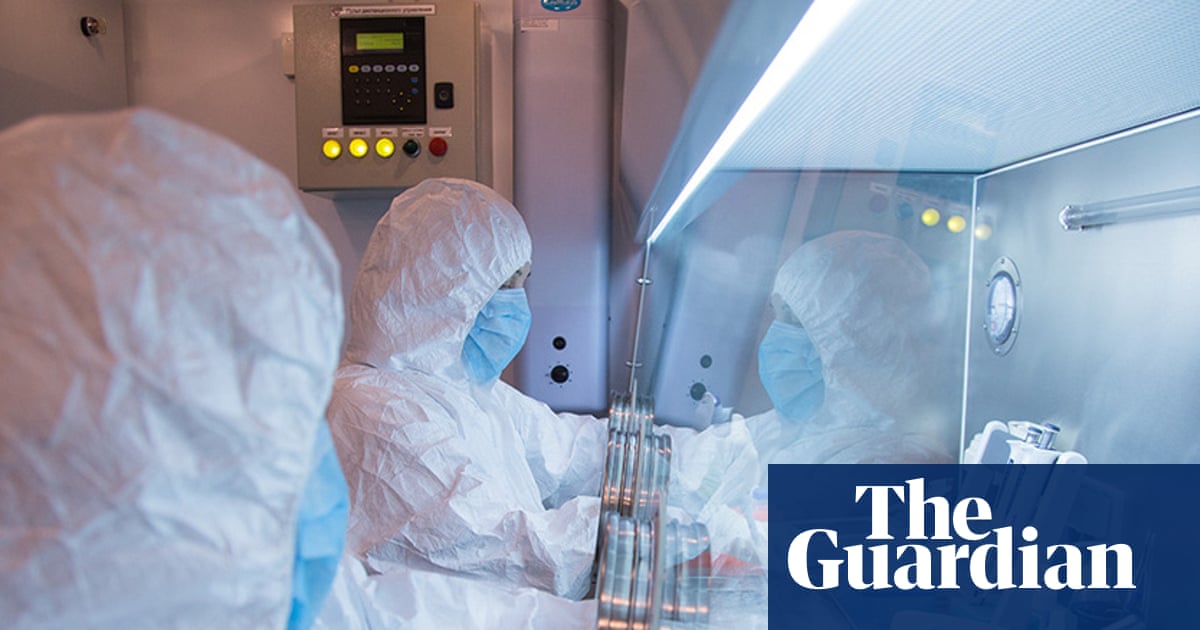
Experts warn that AI could help unskilled groups acquire dangerous knowledge and help capable laboratories optimize pathogens or toxins. Reported cases include suspected chatbot-assisted ricin planning, attempts to use AI around bird-flu mutations, and exercises producing hazardous guidance. Yet tacit expertise, biological materials, containment facilities, experimental validation, and delivery remain serious obstacles. The central policy gap is that model evaluations and genetic-sequence screening are largely voluntary or incomplete, while legitimate biodefense research can resemble harmful work.
Editorial summary · Publisher article
What matters
- AI may lower information barriers for terrorists while amplifying the capabilities of already expert state or institutional actors.
- Several reported experiments produced dangerous biological guidance, but their real-world effectiveness and intent remain uncertain.
- Researchers argue for independent model evaluations, restricted high-risk biological data, and stronger screening of synthetic-DNA orders.
- The same tools can support vaccines, antidotes, pandemic preparation, and other legitimate research.
Why capability matters
The report distinguishes between inexperienced actors seeking instructions and well-resourced organizations that already possess expertise, laboratories, equipment, and materials. For the latter, AI could help identify genetic changes that increase pathogen lethality or transmissibility. Designing entirely new pathogens is presented as a more distant risk.
The unresolved policy gap
Experts cited in the report call for independent evaluations before high-risk models are released, limits on dangerous biological data, and more reliable screening of genetic-material orders. Existing safeguards are uneven, and researchers may evade sequence checks by using AI to design harmful variants indirectly.
Context & caveats
- Reported chatbot outputs and suspected uses do not establish that an effective bioweapon was created.
- Biological research is often dual-use, so safeguards must distinguish legitimate medical and biodefense work from harmful activity.
Why this made the edition
The report provides substantial expert evidence, concrete cases, technical limits, and policy implications about AI-enabled biological misuse while preserving the dual-use caveat.
Source material