World
Undersea cables face rising sabotage risks as geopolitical tensions erode maritime safeguards
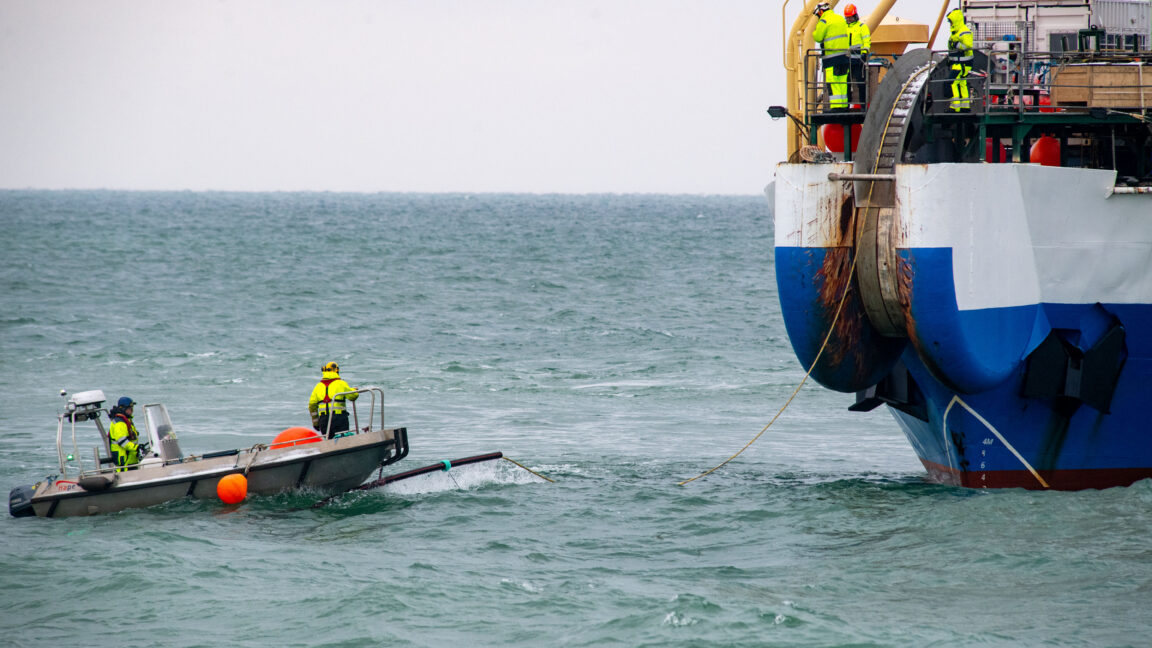
Most global internet traffic still travels through subsea cables, but repeated suspicious incidents and rising geopolitical tensions are challenging the informal rules that protect them. The article reports that 150 to 200 cables are damaged annually, mostly through fishing and shipping accidents, while recent anchor-dragging cases and suspected state activity have heightened concern. Elisabeth Braw argues that cables’ importance, their location in international waters, and the mismatch between private ownership and public-security needs make protection and redundancy increasingly difficult.
Editorial summary · Publisher article
What matters
- About 60% of cable damage is attributed primarily to human error involving fishing and shipping.
- Recent incidents include damage in the Baltic, Taiwan and waters near Norway, though intent is often unresolved.
- Conflict around the Strait of Hormuz has suspended or complicated cable projects and raised questions about access fees.
- Private operators weigh redundancy against cost, while governments may want more backup capacity than companies will fund.
Why the infrastructure is vulnerable
Subsea cables cross international waters and connect financial, communications and energy systems across borders. Their exposure is growing as states develop submarines, drones and other tools that could target them, while repairs and installation become harder in active conflict zones.
The public-private responsibility gap
Cable operators generally make commercial decisions about installation and redundancy, but governments regard the same networks as critical national infrastructure. Braw says subsidies may be needed for additional resilience, yet public budgets cannot easily provide backups for every cable.
Context & caveats
- The article is built partly around the analysis of Elisabeth Braw, whose book is the subject of the interview.
- Several incidents are described as suspicious, but the source explicitly says the causes or intent are not always established.
Why this made the edition
The article combines documented cable incidents with a detailed expert interview on sabotage risks, international-law pressures, repair constraints and the public-private infrastructure tradeoff.
Source material