Policy
US agencies tracked AI-enabled threats while monitoring opposition to datacentres
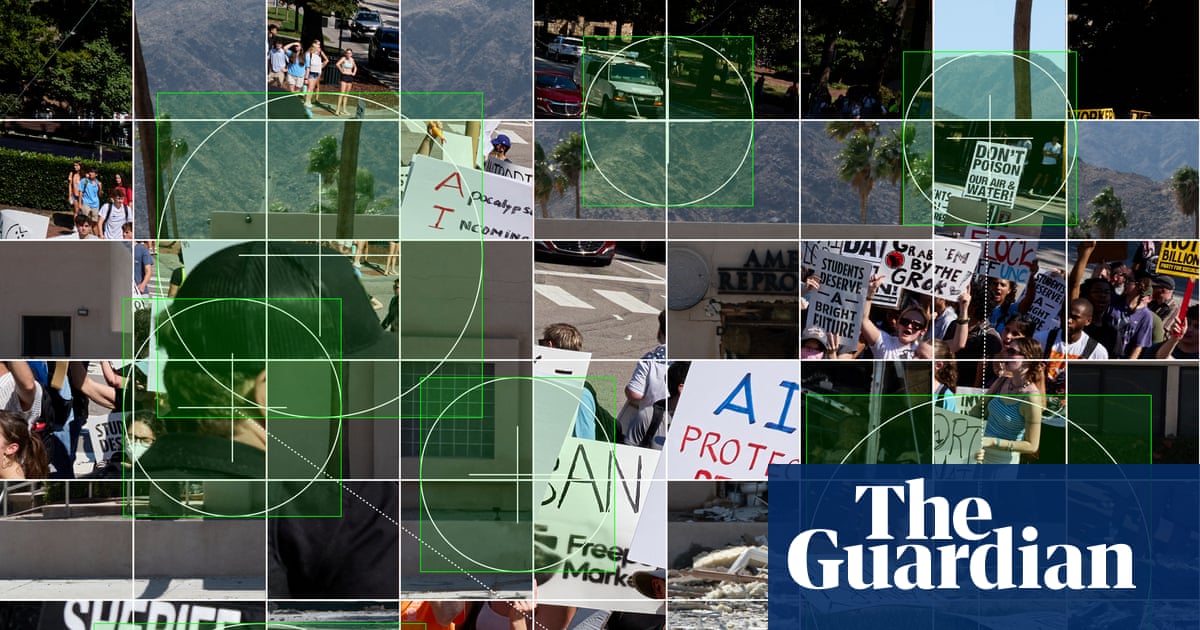
A Guardian review of more than 80 law-enforcement and intelligence documents shows US agencies have treated AI as both a tool for violent extremists and a target for attacks since 2021. The documents describe fears that generative AI could aid attack planning, propaganda and fraud, alongside monitoring of threats against datacentres. They also reveal a risk of overreach: agencies tracked broad opposition to datacentre development, raising concerns that peaceful protests and policy disagreements could be swept into extremist surveillance.
Editorial summary · Publisher article
What matters
- An FBI memo warned that private AI conversations and jailbreaks could make it harder to detect preparations for violent attacks.
- Documents describe threats against datacentres, including a prior plot to attack an Amazon facility and later violent rhetoric online.
- Agencies tracked potential uses of AI for deepfakes, extremist propaganda, recruitment and child sexual abuse material.
- Civil-liberties advocates warn that monitoring anti-datacentre sentiment can blur the line between protest and extremism.
Two linked security concerns
The documents divide the threat into extremists using generative AI to plan attacks or spread ideology, and extremists targeting the infrastructure behind modern technology. Officials also worry that AI tools used by police may undermine public trust and privacy.
Evidence is uneven
The reporting includes documented plots, agency warnings and examples where evidence was weaker. In one memo, an intelligence center linked a school shooting to AI-enhanced extremist content even though the cited source did not mention AI.
Context & caveats
- The documents reflect law-enforcement assessments, some of which lack cited evidence; the investigation also reports that the FBI did not answer detailed questions about monitoring anti-AI sentiment.
Why this made the edition
The investigation is based on more than 80 disclosed law-enforcement documents, includes multiple agencies and examples, and reports important countervailing concerns about surveillance of peaceful opposition.
Source material