AI
Anthropic lets Claude design and run its own multi-agent workflows
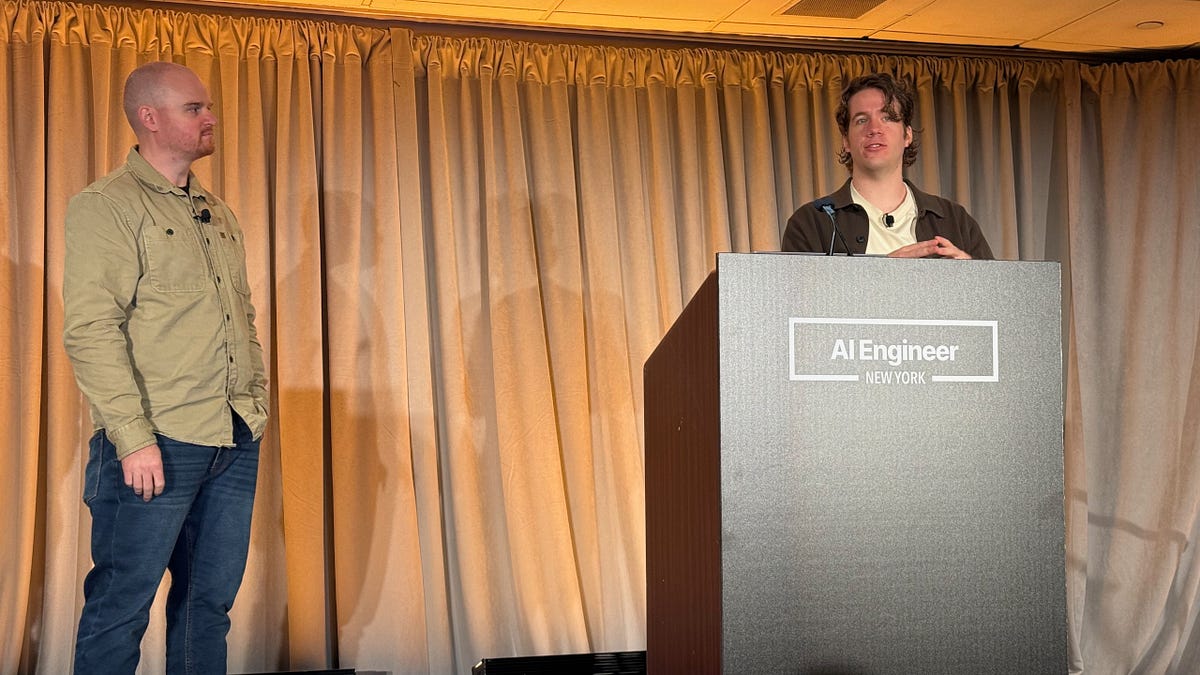
Anthropic’s dynamic workflows let Claude decide how to divide a task, generate an orchestration program, launch agents, collect results and manage information flow. The system can use specialist agents, shared filesystems and graph-based inspection, but developers still set session budgets and cannot directly route messages between sub-agents through the API. A stock-watchlist demonstration suggested better coverage than a single agent, at substantially higher cost. Anthropic presents the approach as a way to apply more test-time compute to difficult work.
Editorial summary · Publisher article
What matters
- The lead model can determine the number and topology of sub-agents instead of relying on a fixed developer-configured roster.
- Developers can inspect agent payloads and transitions through Claude Console’s graphing tools.
- Flows cost much more than single-agent workflows and do not automatically improve themselves.
- The presenters described dynamic workflows as a possible foundation for broader scientific and research applications.
Context & caveats
- The article reports Anthropic’s presentation and demonstration; it does not independently verify performance claims.
- The stock-watchlist example may not represent more demanding production workloads.
Why this made the edition
The article reports concrete details from Anthropic’s presentation and audience questions, including workflow design, budgets, observability, communication limits and costs.
Source material