Technology
A four-part framework for judging whether an AI-era startup has a moat
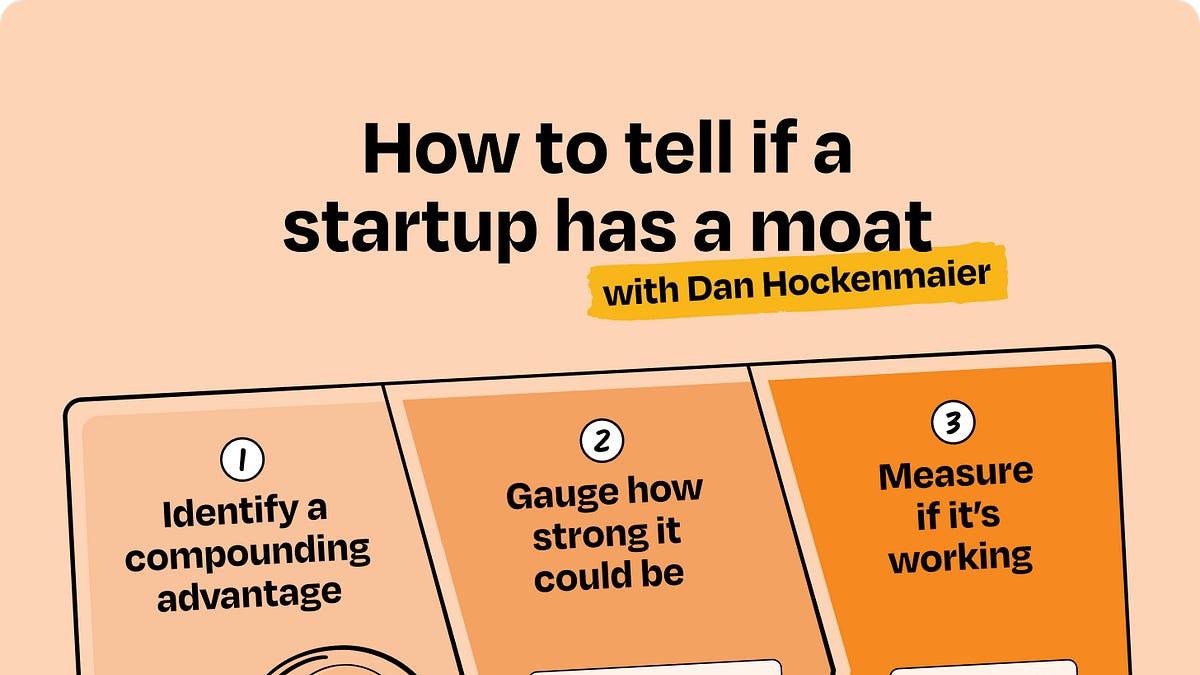
The analysis argues that startup candidates should be evaluated for durable, compounding advantages rather than speed, funding, branding, or a strong founding team alone. It proposes identifying the company’s core flywheel, judging how powerful it could become, and checking whether evidence shows it is working. The framework highlights switching costs, network effects, scale economies, and data effects, while explaining why distribution and execution are inputs rather than moats. Examples from HR software, marketplaces, logistics, fraud detection, and AI coding illustrate the distinctions.
Editorial summary · Publisher article
What matters
- Switching costs grow when software becomes deeply embedded in customer workflows.
- Network businesses should prioritize strengthening interactions among users, suppliers, or content.
- Scale advantages can lower unit costs or improve quality through repeated investment.
- Data effects can improve products as usage generates more training or operational data.
Context & caveats
- The framework is an analytical lens, not a guarantee that a startup will succeed or produce financial returns.
Why this made the edition
This is a substantial, clearly framed analysis with a practical framework, concrete examples, and detailed distinctions between durable advantages and temporary startup fuel.
Source material