Deals & regulation
Senate investigation challenges Big Tech’s claims about AI data-center costs
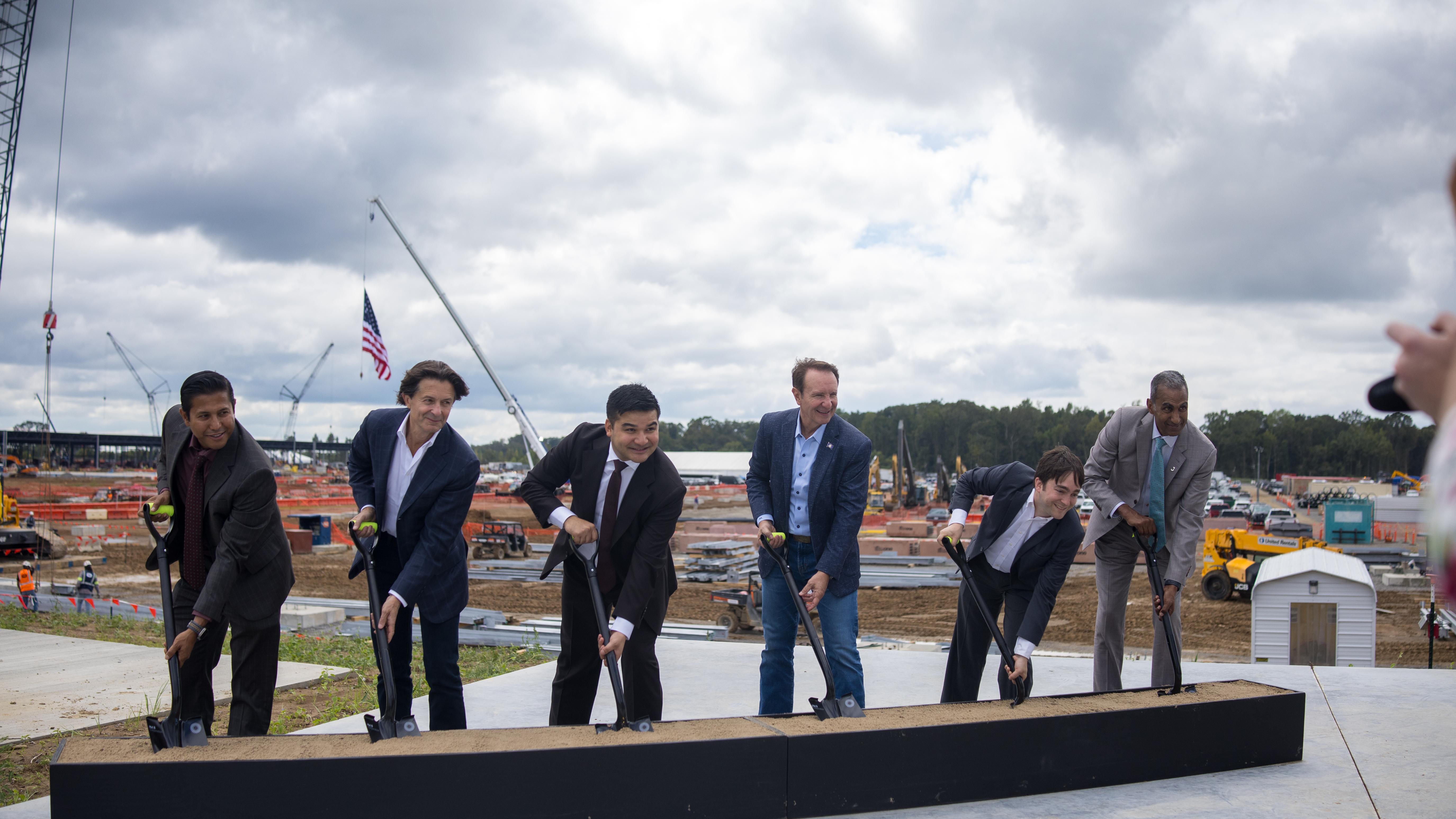
A yearlong Senate investigation says major data-center developers have not been transparent about permanent employment, public subsidies and the infrastructure costs created by AI expansion. Investigators found companies sought nondisclosure agreements and none agreed to cover all new generation, transmission and distribution costs. The report highlights a Louisiana power project associated by analysts with Meta’s planned facility, which could raise local bills. Its findings may shape federal and state debates over ratepayer protections, though the companies dispute some conclusions.
Editorial summary · Publisher article
What matters
- Investigators said several companies refused to provide comprehensive permanent-employment data.
- Sales-tax exemptions on computer equipment may be more valuable than widely discussed property-tax breaks.
- Microsoft and Amazon said they would stop seeking some local-government nondisclosure agreements.
- A House ratepayer-protection bill passed overwhelmingly but stalled in the Senate.
Why the dispute matters
The central policy question is whether data-center developers or ordinary customers should pay for grid investments needed chiefly because of AI-related demand. Much authority remains with state regulators, even as Congress considers national standards.
Context & caveats
- The investigation’s findings largely overlap with earlier reporting, and several claims remain disputed by the companies involved.
Why this made the edition
A detailed Senate investigation provides substantial, relevant reporting on data-center subsidies, employment, power costs, secrecy and pending federal action.
Source material