Science & health
Nobel Prize recognizes optogenetics, the technology for controlling neurons with light
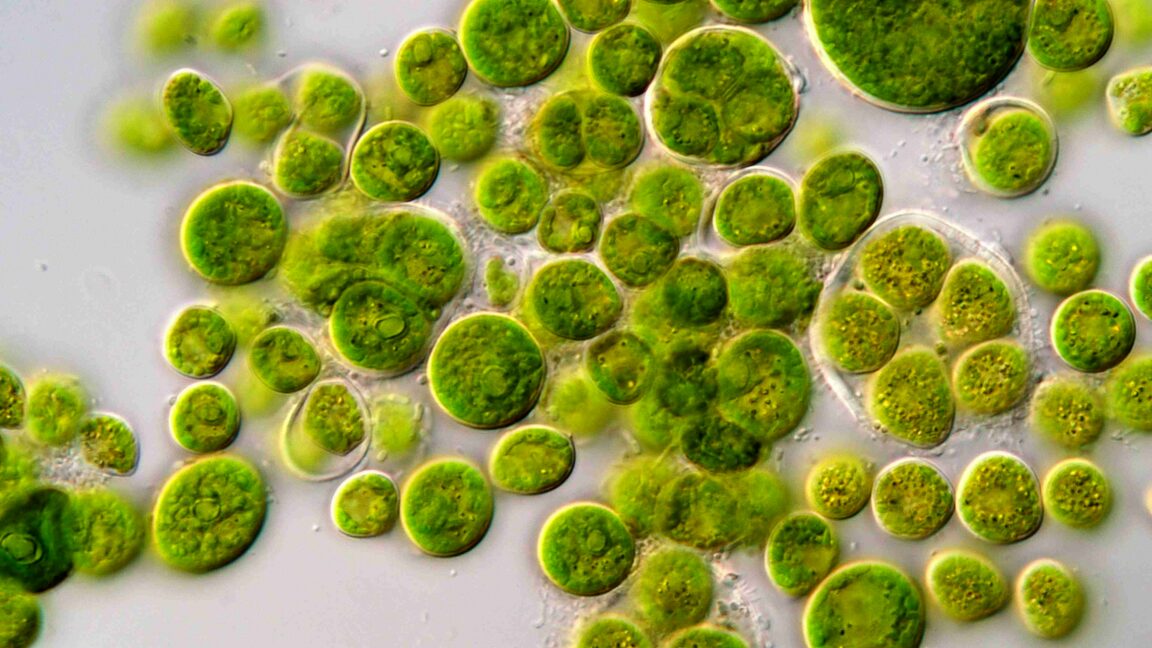
Karl Deisseroth, Peter Hegemann and Georg Nagel received the Nobel Prize in Physiology or Medicine for foundational work behind optogenetics, which uses light-sensitive proteins to activate or silence genetically targeted nerve cells. The approach grew from studies of light-sensing algae and now lets researchers examine neural circuits in living, moving animals with unusual precision. It has informed research on memory, sleep and behavior, and has reached an early therapeutic application in blindness. The field’s success also illustrates how basic research can produce unexpected practical benefits.
Editorial summary · Publisher article
What matters
- Hegemann and Nagel identified and characterized channelrhodopsins, light-sensitive ion channels derived from algae.
- Deisseroth’s group helped adapt the technology to neurons and developed flexible light-delivery systems for freely moving animals.
- Optogenetics has been used to study memory, sleep, maternal behavior and other neural functions.
- A form of the technology has restored limited light sensing in a patient with retinal-cell loss.
Why the method changed neuroscience
Unlike approaches that remove or damage cells, optogenetics can selectively turn defined neuron populations on or off in an otherwise intact brain, making causal tests of behavior possible.
Context & caveats
- The article describes a research technology and an early blindness application, not a broadly established treatment.
Why this made the edition
Detailed, well-supported science reporting explains the Nobel-recognized development of optogenetics, its mechanisms, applications and limits, with clear historical context and attribution.
Source material