Reading room
Reliable RAG requires retrieval tests and careful embedding model migrations
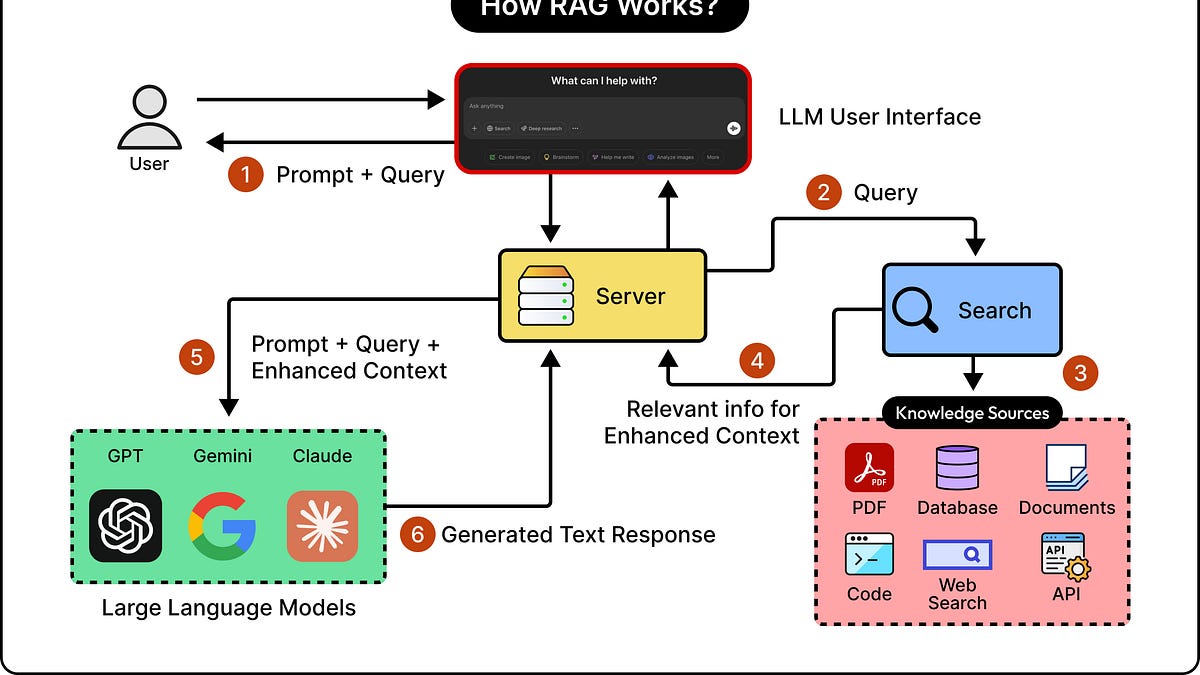
Embedding models determine which passages reach a retrieval-augmented chatbot, so improving the answer generator cannot recover evidence that retrieval omitted. ByteByteGo explains how semantic similarity can miss distinctions involving dates, negation, entities and numerical limits. It recommends testing against application-specific questions and treating embedding changes as index migrations. The practical implication is that retrieval quality, metadata and operational planning deserve attention alongside model capability; embeddings alone cannot guarantee a grounded answer.
Editorial summary · Publisher article
What matters
- Inspect retrieved passages before changing prompts or replacing the answer-generating model.
- Test domain terminology, multilingual queries, policy versions and questions requiring multiple passages.
- Switching embedding models requires rebuilding document vectors and an index, even when vector dimensions match.
- Matryoshka embeddings support shorter searchable prefixes within one model’s vector space; they do not make different models compatible.
Plan for migration and rollback
Retain original chunks, stable identifiers and embedding configuration records. Build the replacement index alongside production, synchronize document changes and test retrieval before switching traffic. Keeping full vectors separately can allow larger Matryoshka indexes without repeating model inference.
Context & caveats
- Document coverage, parsing, chunking, access rules and reranking also affect retrieval; the introductory refund example does not establish a single cause of failure.
Why this made the edition
The complete tutorial provides concrete retrieval failure modes, selection criteria and migration mechanics. Its practical depth supports admission despite an overstated opening attribution of answer errors to embeddings alone.
Source material